
Spectroscopy Solutions for
Water Monitoring & PFAS Screening
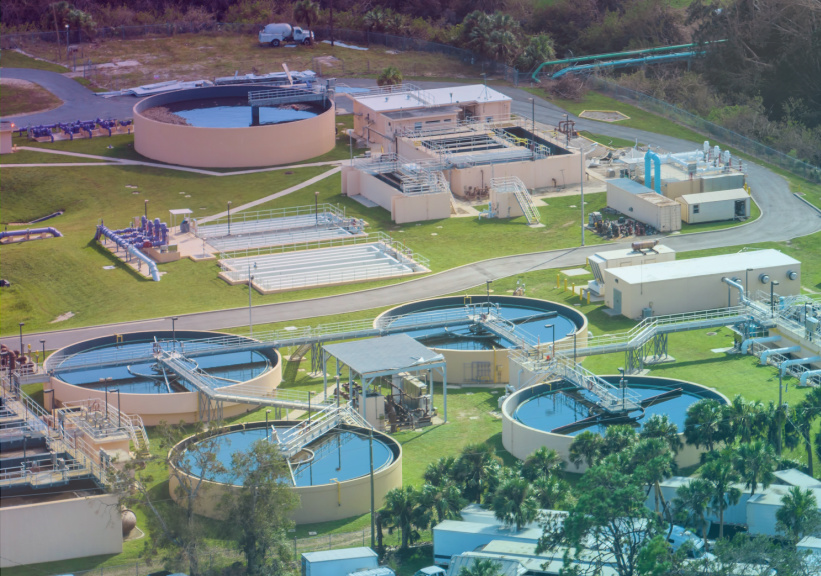
Water monitoring requires continuous, reliable data across changing conditions. Spectroscopy enables real‑time insight for wastewater performance and PFAS screening with minimal maintenance.
Contact Our Local Distributors
Airboard Technology
67S Tuas South Ave 1
Singapore 637511
Telephone: +65 6861 8189
Email: [email protected]
EASTWEST SVC PTE LTD
16 Purvis Street #02-00
Singapore 188595
Telephone: +65 6203-4030
Email: [email protected]

The Challenges in
Water Monitoring & PFAS Detection
See How Spectroscopy Helps
Regulatory requirements demand continuous water quality data
Wastewater processes lack real‑time visibility into treatment performance
Difficulty detecting emerging contaminants such as PFAS in screening
Maintaining consistent measurements across long‑term field deployments
How Spectroscopy Supports Water Monitoring & PFAS Screening
Water Quality Monitoring
What You Measure:
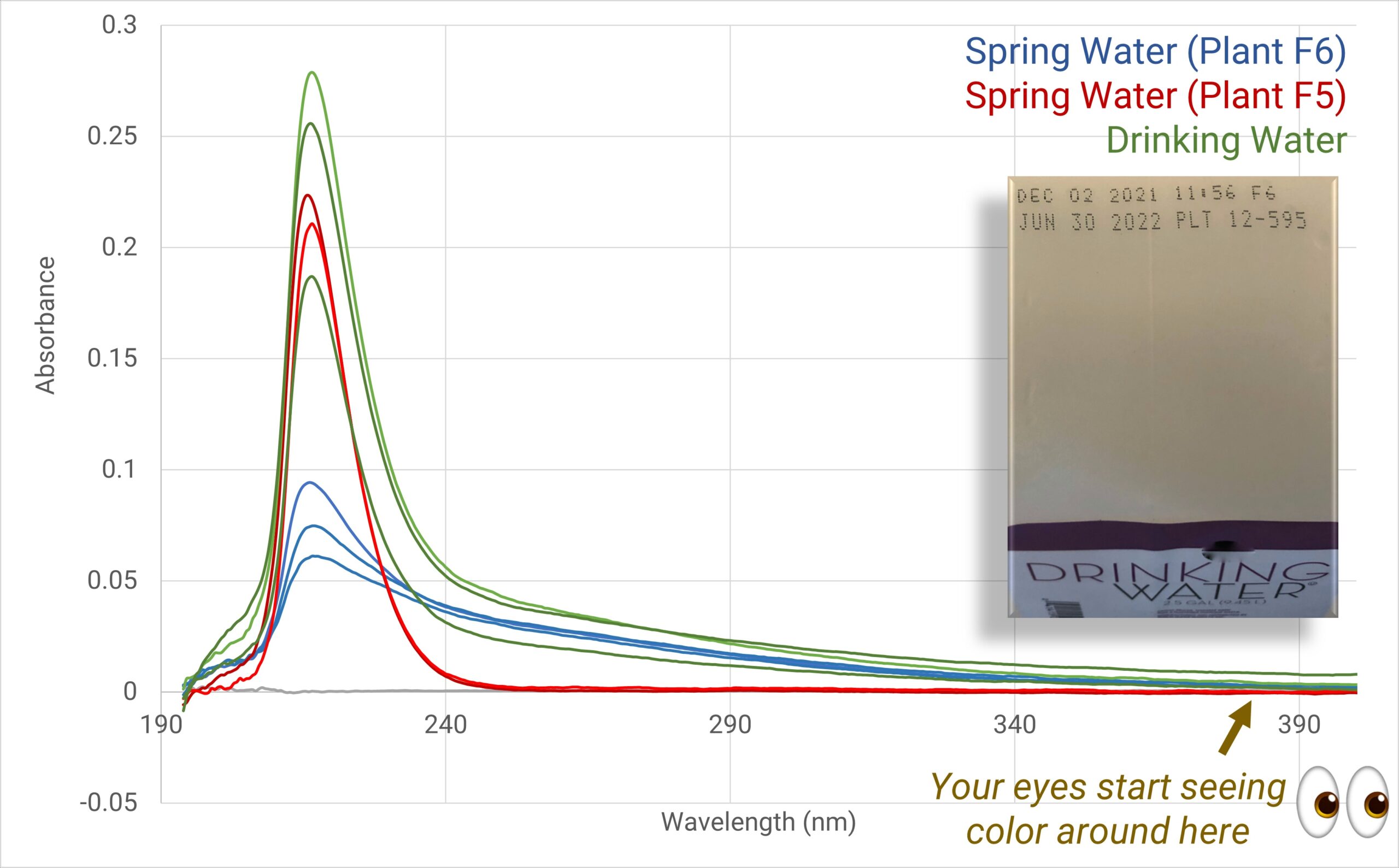
Absorbance signals associated with contaminants and water chemistry.
What You Learn:
Stability and variation in water quality over time.
Why It Matters:
Supports long term, consistent monitoring across field deployments.

PFAS Screening
What You Measure:
Optical absorbance trends associated with PFAS and related compounds.
What You Learn:
Screening and trend detection of PFAS presence in samples.
Why It Matters:
Provides a fast-screening approach to complement more complex lab methods.
Why Ocean Optics
Water quality and PFAS measurements are not static. Methods evolve, regulations tighten, and data must remain reliable over time. Ocean Optics spectroscopy solutions are designed for continuous monitoring, adaptable workflows, and defensible data collection.
- Continuous measurement – Reliable, repeatable data for long-term monitoring and regulatory needs.
- Adaptable to changing methods – Reconfigure wavelength, pathlength, and setup as PFAS methods evolve without system replacement.
- Screening and trend detection – Supports fast screening and continuous monitoring to identify changes early.
- Modular by design – Configure components to fit your application — not locked into a fixed system.
- Built for deployment and integration – Stable, low-maintenance performance with software tools for automation and workflow integration.
Trusted by Local Partnerships
Ocean Optics supports environmental and industrial measurement workflows across Asia through a combination of local distributors, application expertise, and configurable spectroscopy systems.
Integrated directly into environmental process control equipment
Recommended Spectroscopy Bundles
These configurations are designed for continuous environmental monitoring with low maintenance and long-term stability.
Water Quality Monitoring
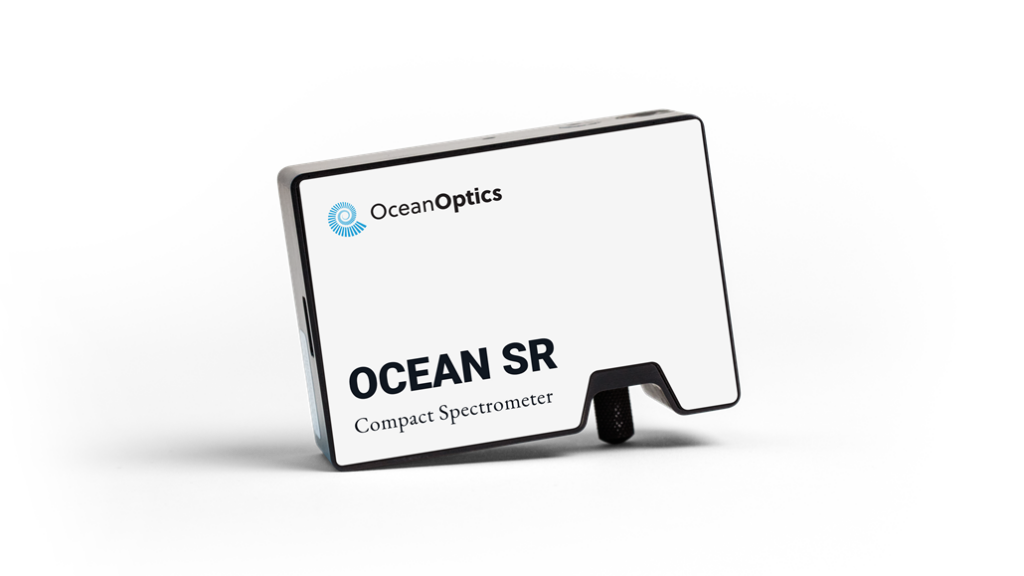
Spectrometer:
SR-4UVV400-25
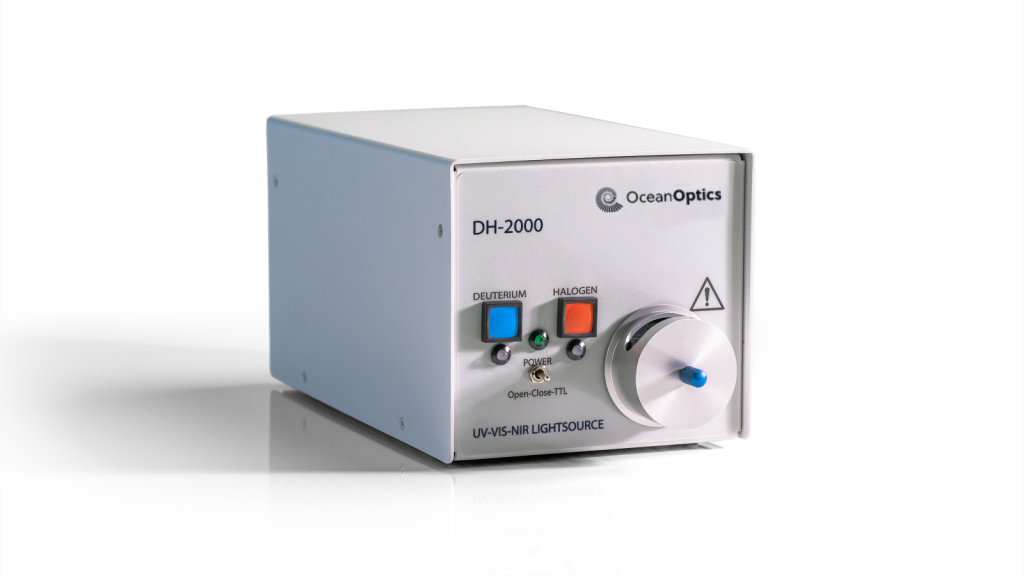
Light Source:
DH-2000-S-DUV-TTL
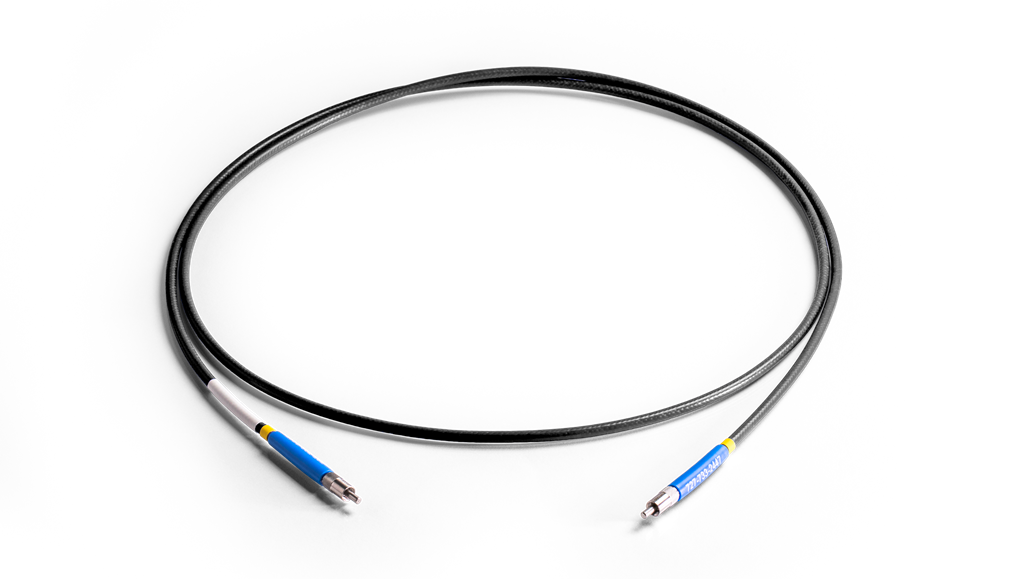
Fiber:
QP600-1-UV-VIS
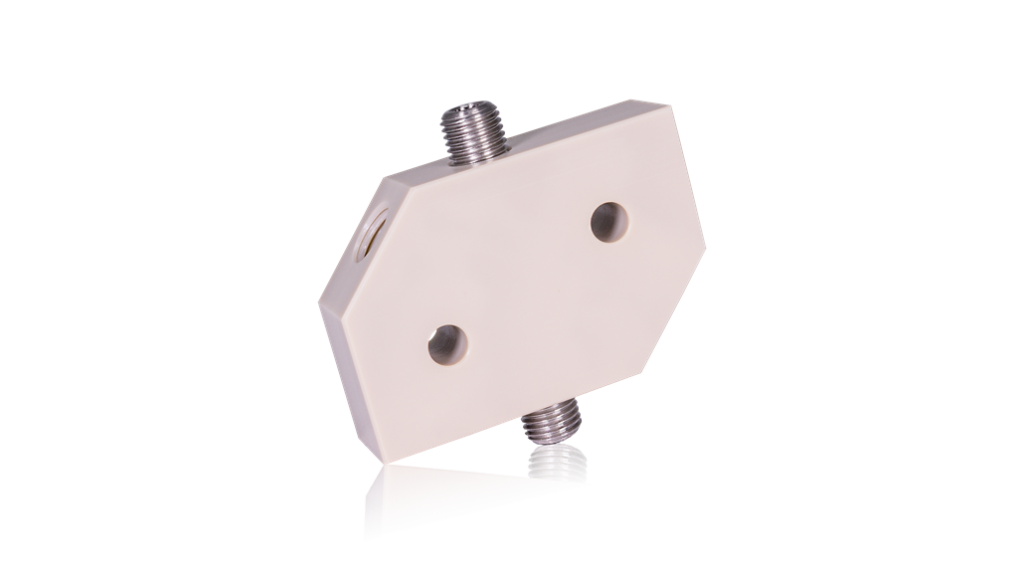
Flow Cell:
FIA-ZSMA-100
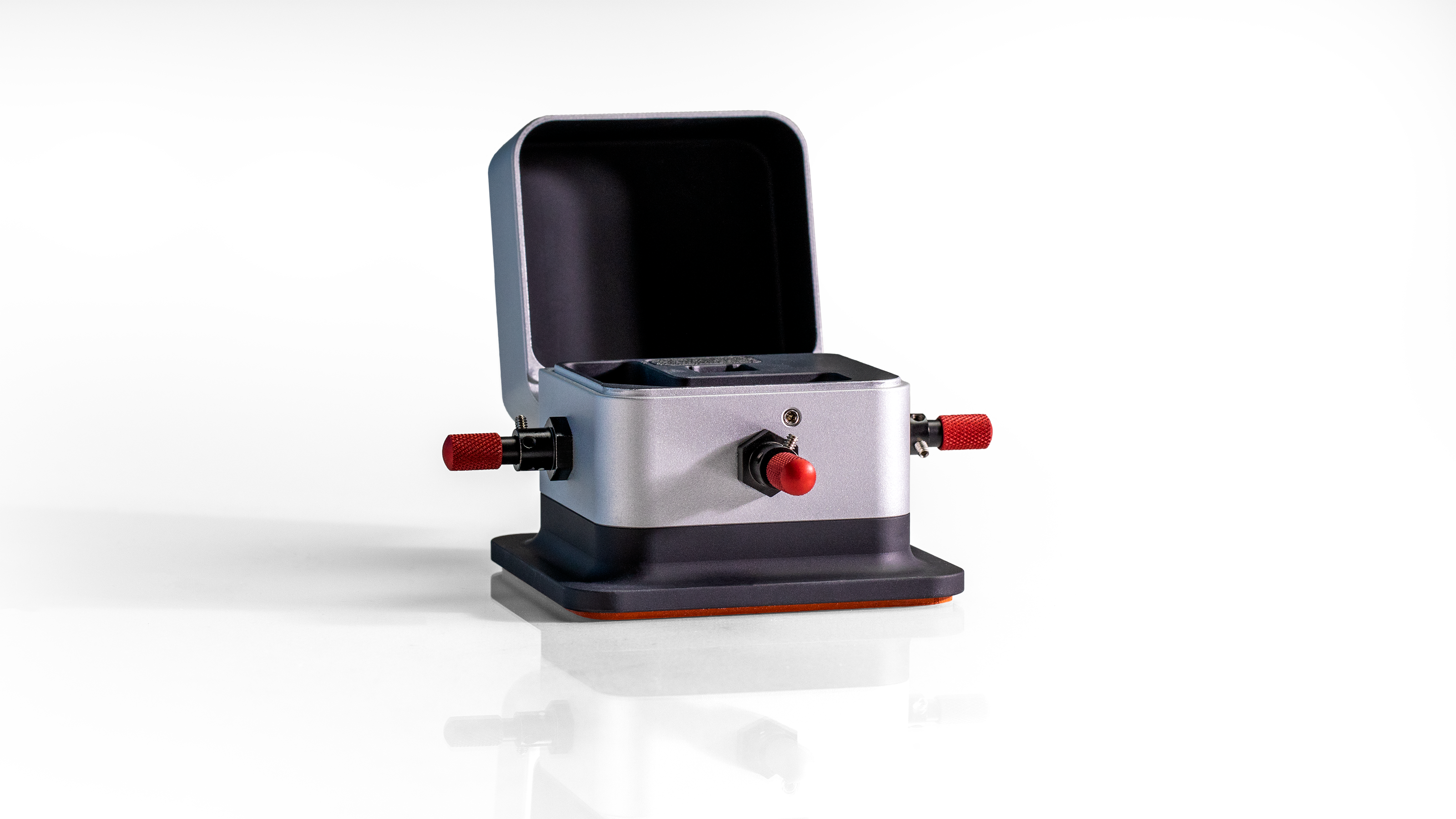
Cuvette Holder:
SQ-1-ALL
Focused on long-term stability across deployments.
Why this bundle
Broad UV-Vis coverage captures multiple water quality indicators, while stable signal performance enables reliable trend monitoring over time and flexible sampling supports both flow cell and cuvette measurements.
Key Parameters
- Wavelength range: 190 – 910 nm
- Optical resolution: ~1.65 nm
- Integration time: 3.8 ms – 10 s
- Light source range: 190 – 2500 nm (UV + Vis)
- Flow cell: up to 100 mm pathlength, UV-grade optics
Why SR4 Spectrometer
SR-4UVV400-25 delivers broad spectral coverage with strong thermal stability, making it a dependable choice for long-term absorbance monitoring across changing water conditions.
Why Complementing Components
- Light Source: Broad UV + Vis output supports multi-parameter absorbance measurements across water quality indicators
- Flow Cell: Long pathlength improves sensitivity for low-concentration analytes in continuous monitoring
- Fiber: Efficient light throughput across the UV-Vis range ensures stable, repeatable signal performance
- Cuvette Holder (SQ-1-ALL): Enables fast validation and spot measurements alongside continuous flow-based analysis
PFAS Screening
Spectrometer:
QEPro-UVV300-25
Light Source:
DH-2000-S-DUV-TTL
Fiber:
QP600-1-UV-VIS
Flow Cell:
FIA-ZSMA-100
Supports screening and trend detection complementary to LC MS workflows.
Why this bundle
Broad UV-Vis coverage, stable signal performance, and flexible sampling enable reliable detection and trend monitoring of low-concentration signals in PFAS screening workflows.
Key Parameters
- Wavelength range: 220 – 650 nm
- Optical resolution: ~1.04 nm (25 µm slit)
- Integration time: 8 ms – 60 min
- Signal-to-noise ratio: ~1000:1
- Light source range: 190 – 2500 nm
- Flow cell: up to 100 mm pathlength, UV-grade optics
Why QEPro Spectrometer
QEPro delivers high sensitivity and strong signal-to-noise performance, making it well-suited for detecting subtle absorbance changes in low-concentration PFAS screening workflows.
Why Complementing Components
- Light Source: Stable UV output supports detection of subtle absorbance features critical for PFAS screening
- Flow Cell: Long pathlength enhances sensitivity for low-concentration signals in screening workflows
- Fiber: Efficient light throughput across the UV-Vis range ensures high-quality signal capture for low-level detection
Choosing the Right Spectroscopy System
Selecting the ideal spectroscopy system requires balancing precision with practical integration.
Water monitoring solutions must deliver reliable data over long deployments while meeting evolving regulatory requirements.
What contaminants or parameters are you monitoring?
What sensitivity and wavelength range are required?
Will the system be deployed in the field, lab, or inline?
What maintenance and lifecycle expectations must the system meet?